
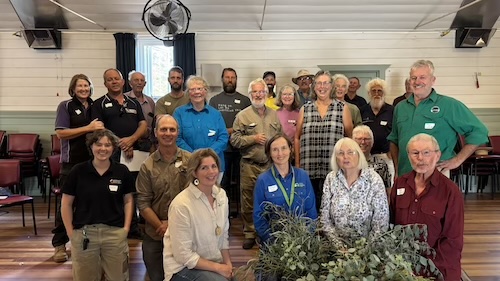
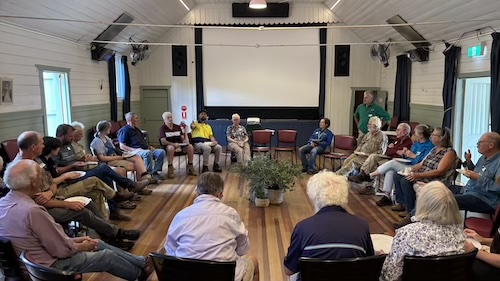
There is a wealth of experience across our region when it comes to revegetation through direct seeding. To tap into this collective wisdom, YAN recently invited practitioners, contractors, seed collectors, landholders and restoration specialists to come together for a Direct Seeding Knowledge Exchange workshop.
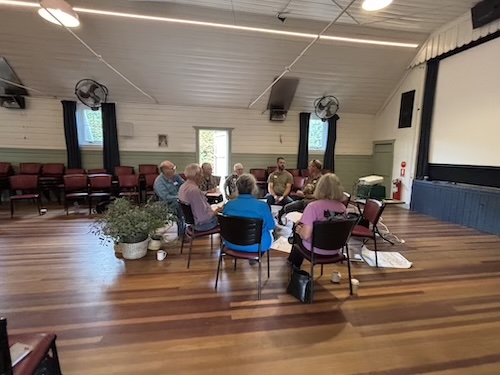
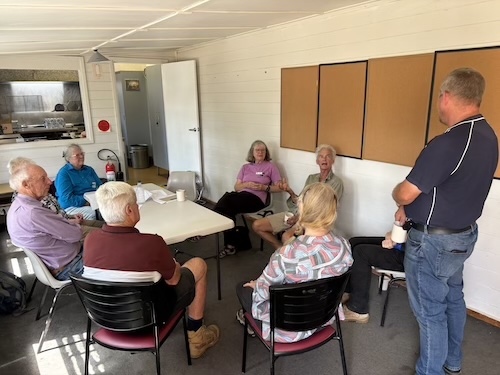
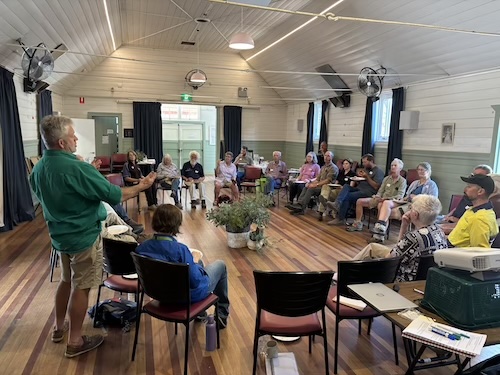
Gathered in Gundaroo Hall, the room was rich with stories; the good, the bad, and the little gems of insight that only come from years of practical experience. The aim was simple: learn from one another, distil practical knowledge, and strengthen our approach to building revegetation through direct seeding.
What we explored
Across the morning, small and large group discussions covered the full spectrum of direct seeding practice:
Seed sourcing and species selection
We discussed what species are best suited to our landscapes, how many to include in a mix, and whether to collect or purchase seed. Participants shared practical advice on choosing species for different soils and landscape positions, and how to balance diversity with cost.
Getting the job done
Conversations covered the practical side of direct seeding — working with contractors, preparing sites, spraying, fencing, and planning. Clear planning and good communication were highlighted as essential.
Looking after the site
We explored how to manage and monitor sites over time, including thinning, tracking growth, and keeping monitoring meaningful and motivating. Compared with tube stock plantings, direct seeding was noted for its lower ongoing intervention.
Key Insights from the Day
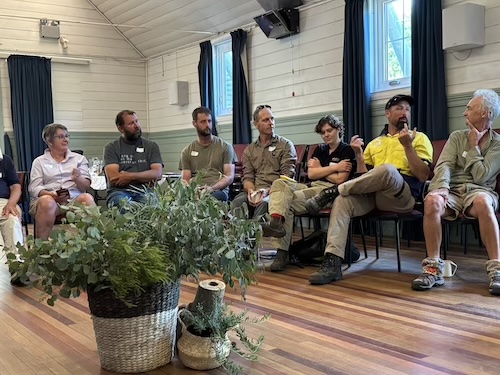
Several powerful insights emerged:
- - Direct seeding can be done in any season. If the rain isn’t there, the seed still is. When conditions align, plants will emerge.
- - The cost benefits are significant. From a farm economics perspective, direct seeding often costs less than tube stock planting and requires lower ongoing intervention.
- - Nature plays a role in selection. Direct seeding allows the landscape to “choose” what works best for that site.
- - The human benefits matter. There is something deeply rewarding about watching plants jump from the ground, hearing birds return, and feeling country grow healthier and more diverse.
- - Direct seeding and tubestock planting are complementary. Direct seeding can work in many, but not all situations. There is still a place for tubestock planting.
Seeing the results at Ambrosia Park
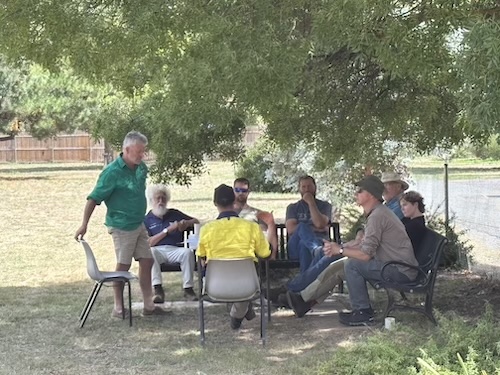
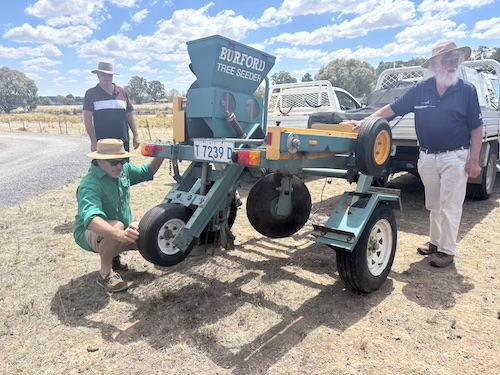
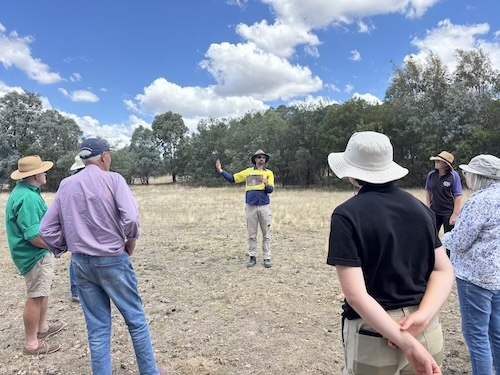
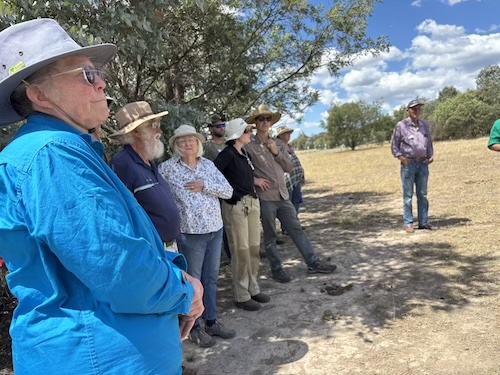
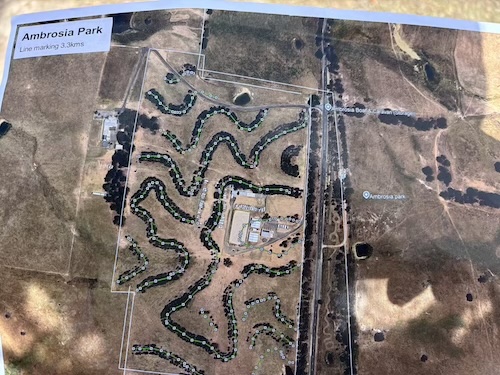
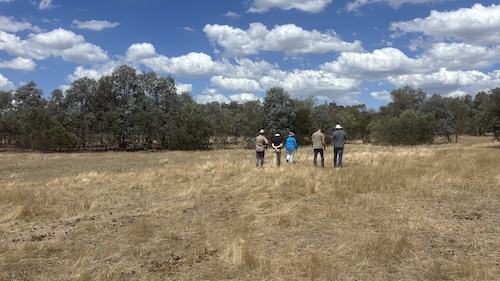
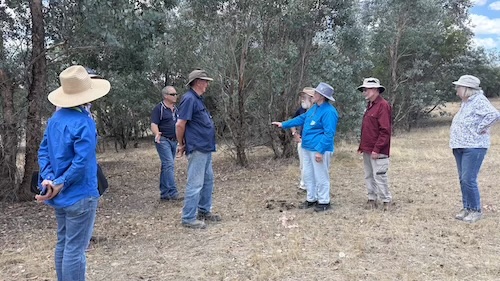
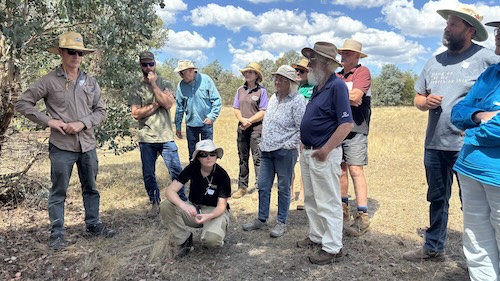
After lunch, participants travelled 10km outside Gundaroo to Ambrosia Park to see the long-term results of a 2012 Whole of Paddock Restoration (WOPR) project delivered by Greening Australia.
The transformation was striking. Where once there was bare native grassland, now stands a thriving mosaic of trees and shrubs. Over 5,600 eucalypts and more than double that number of acacia species were established, creating shade, habitat and a functioning microclimate.
Graham Fifield from Greening Australia spoke about the original site design, species mix, layout and the ongoing monitoring approach. Current custodians Jess and Rob Garnett shared their joy in watching the site evolve, seeing livestock benefit from shelter, hearing birds return, and witnessing the country grow in resilience.
Standing beneath the canopy, listening to birdsong and feeling the temperature shift under shade, it was a powerful reminder of how dramatic change can occur within a relatively short period of time.
What’s next?
There is much more to share from this rich day of exchange. We will be distilling the knowledge gathered and incorporating it into our Climate Ready Revegetation and Habitat Hops programs.
If you’re curious about direct seeding, whether you’re just starting out or looking to refine your approach, please get in touch. Within the YAN network there is an abundance of experience, practical advice and people willing to help you grow climate-ready landscapes.
Written by Sarah McGrath, Bowning Bookham Coordinator & Sonya Duus, Climate Ready Revegetation Project Officer
